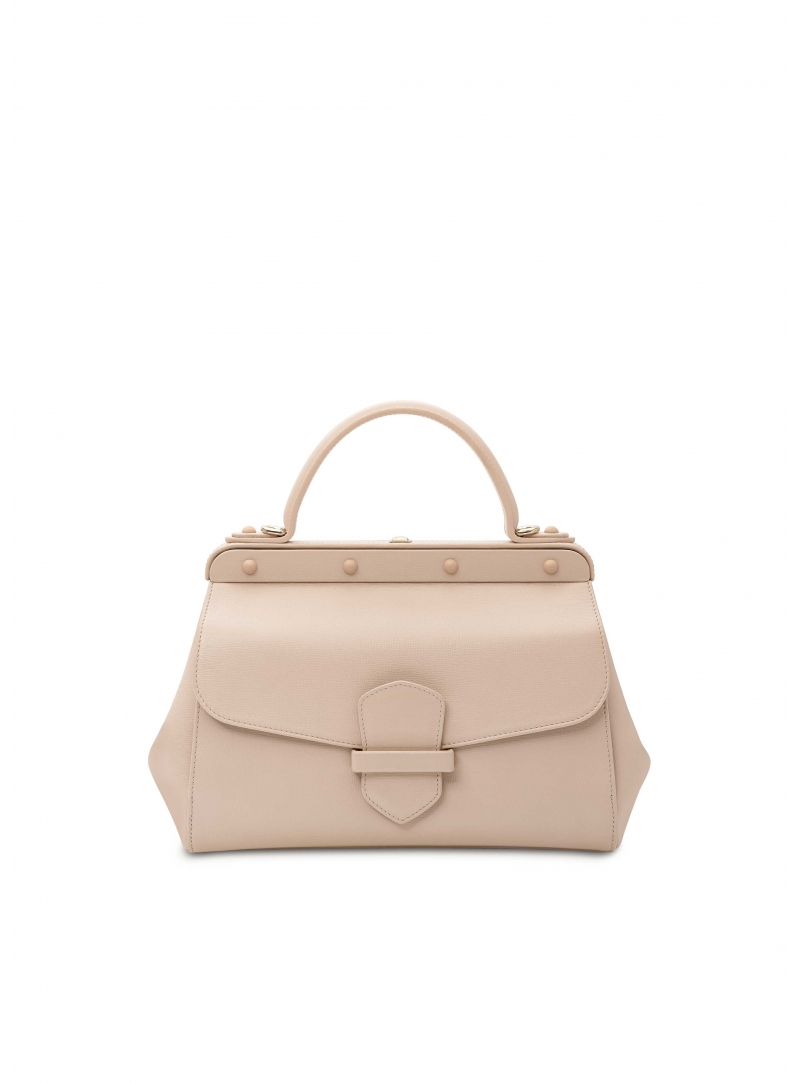
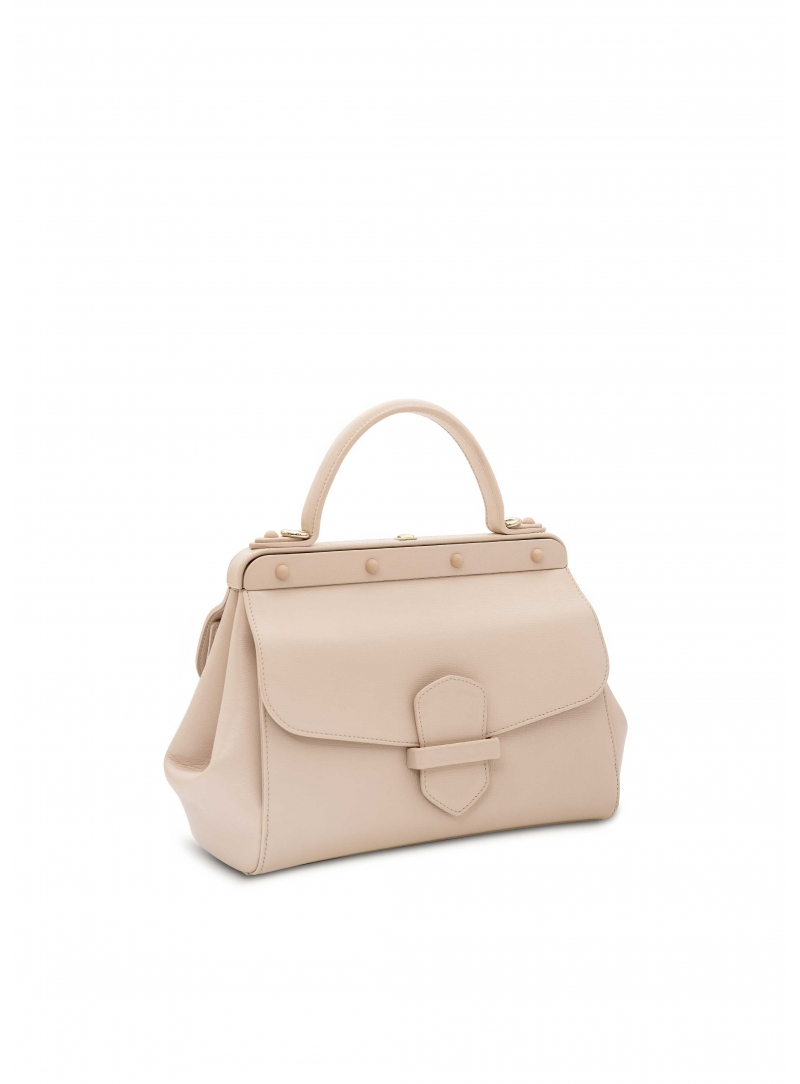
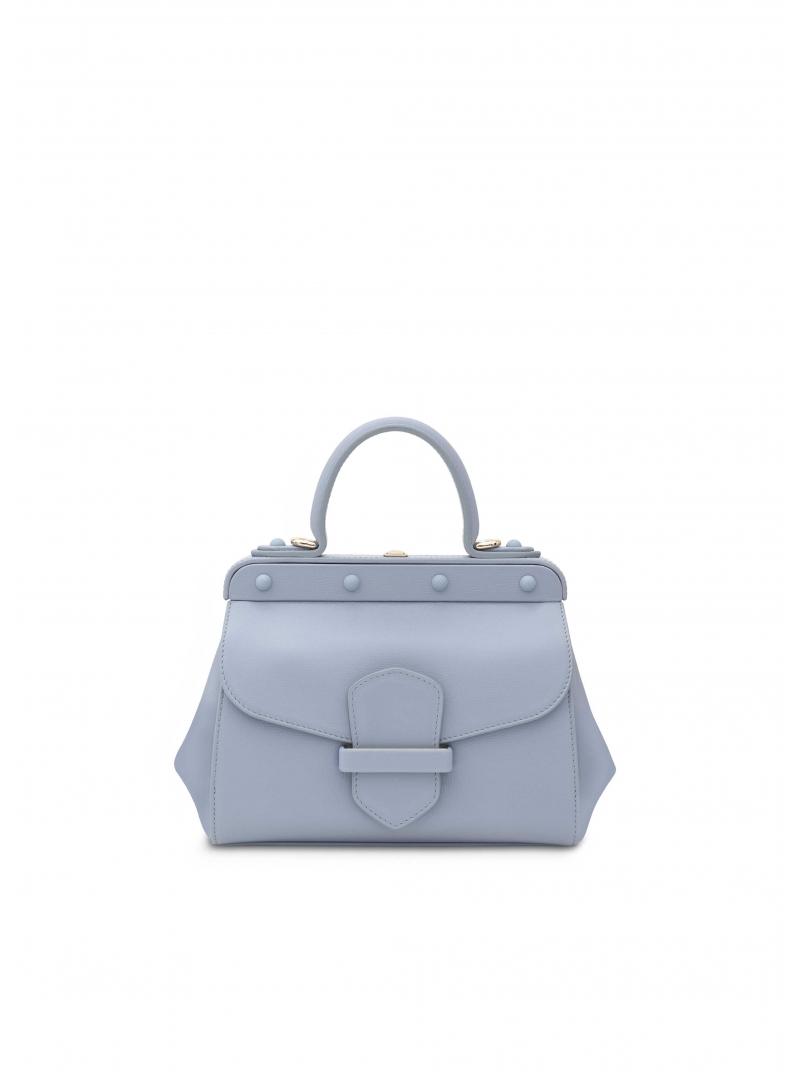
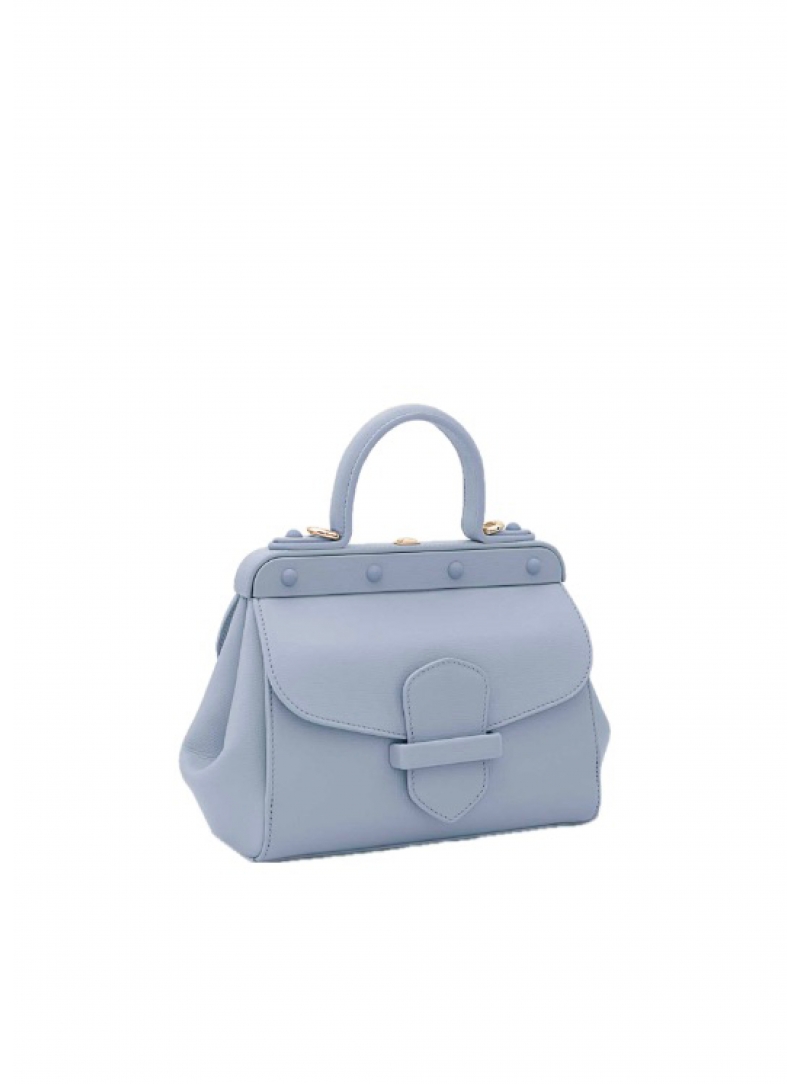
Margherita Maria Teresa Giovanna di Savoia is the first Queen of Italy, consort to King Umberto I di Savoia
From a young age, she displays a strong personality and a keen intellectual curiosity.
Her education is marked by extensive studies, highly unusual for aristocratic women of her time
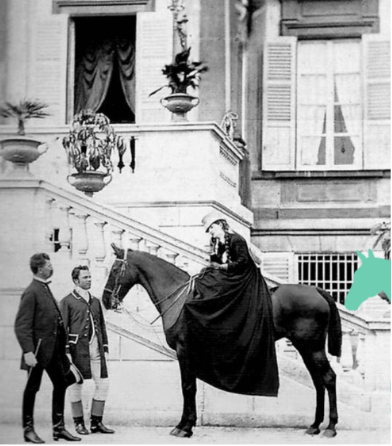
Young Margherita di Savoia in a family moment, late 19th century
Margherita is a beloved queen, admired for her social commitment and grace
Her political influence is expressed through a vibrant social life, allowing her to establish one of the most distinguished aristocratic ''salottos'' in Europe
By gathering intellectuals at her court, Margherita develops considerable influence over the political landscape, playing a crucial role in the governance of the Kingdom
In a newly unified Italy, her public appearances and charisma contribute to bringing acceptance and favor to the Royal Family, not only in the northern regions, but throughout the country
A sophisticated and elegant queen, her character inspires writers and journalists, giving rise to a true cultural phenomenon known as ''Margheritarism''
As a revered figure among both the public and the intellectual elite, numerous artistic works are dedicated to her, such as Giosuè Carducci's ode ''Alla Regina d'Italia'', as well as various public spaces, including parks, schools, hospitals, the Capanno Margherita mountain refuge, and even the famous Margherita pizza
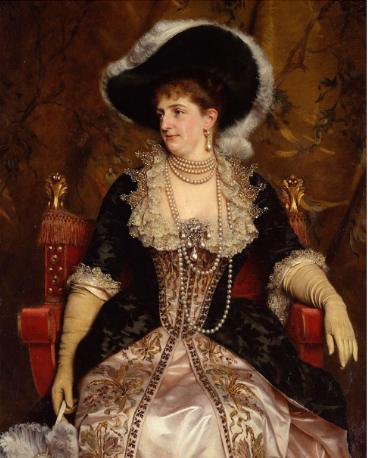
Queen Margherita with her son Vittorio Emanuele III, future King of Italy.
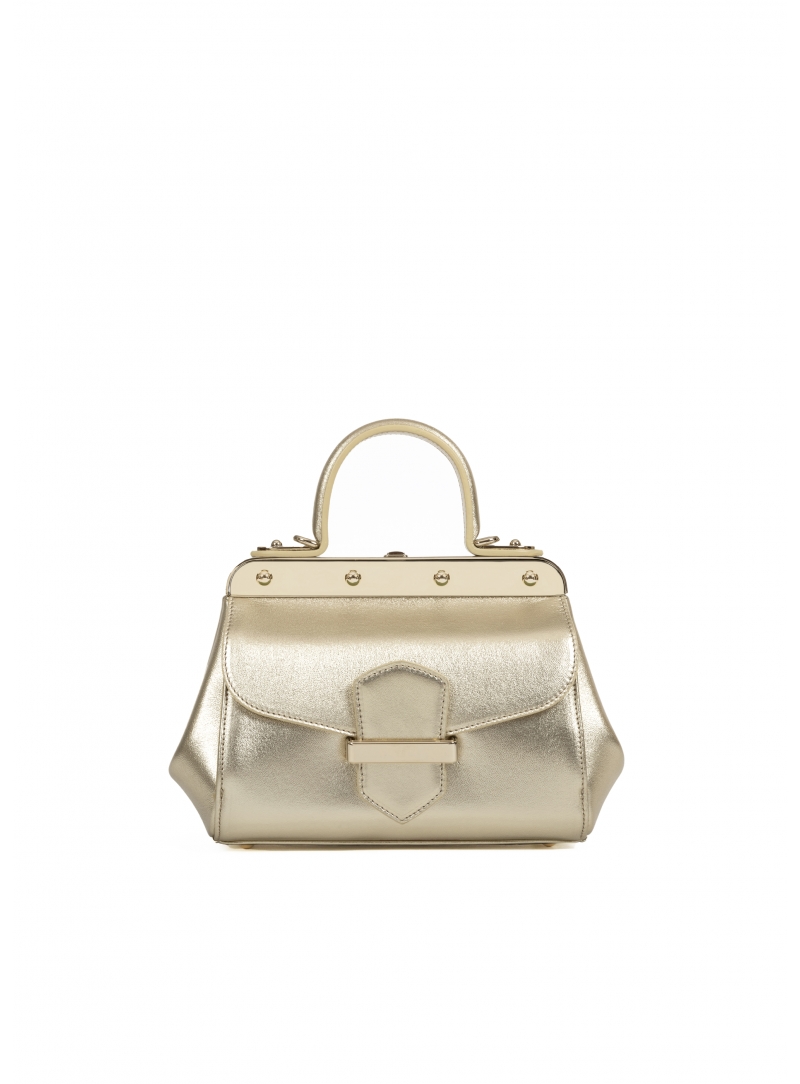
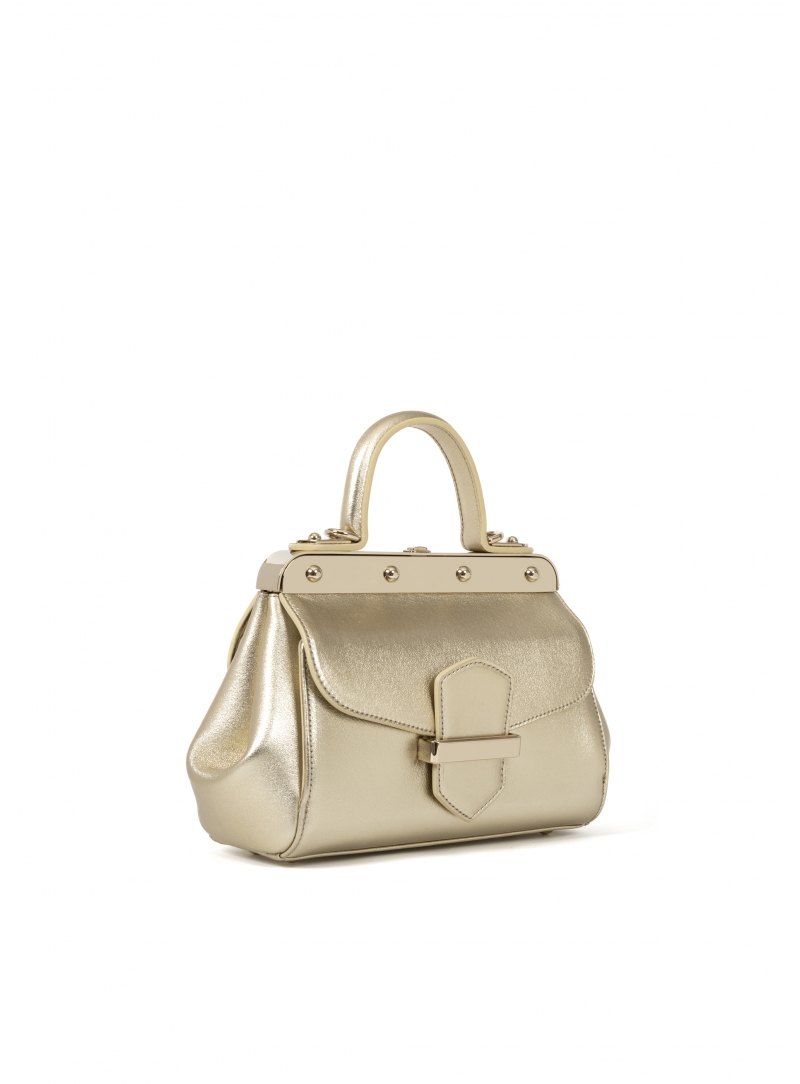
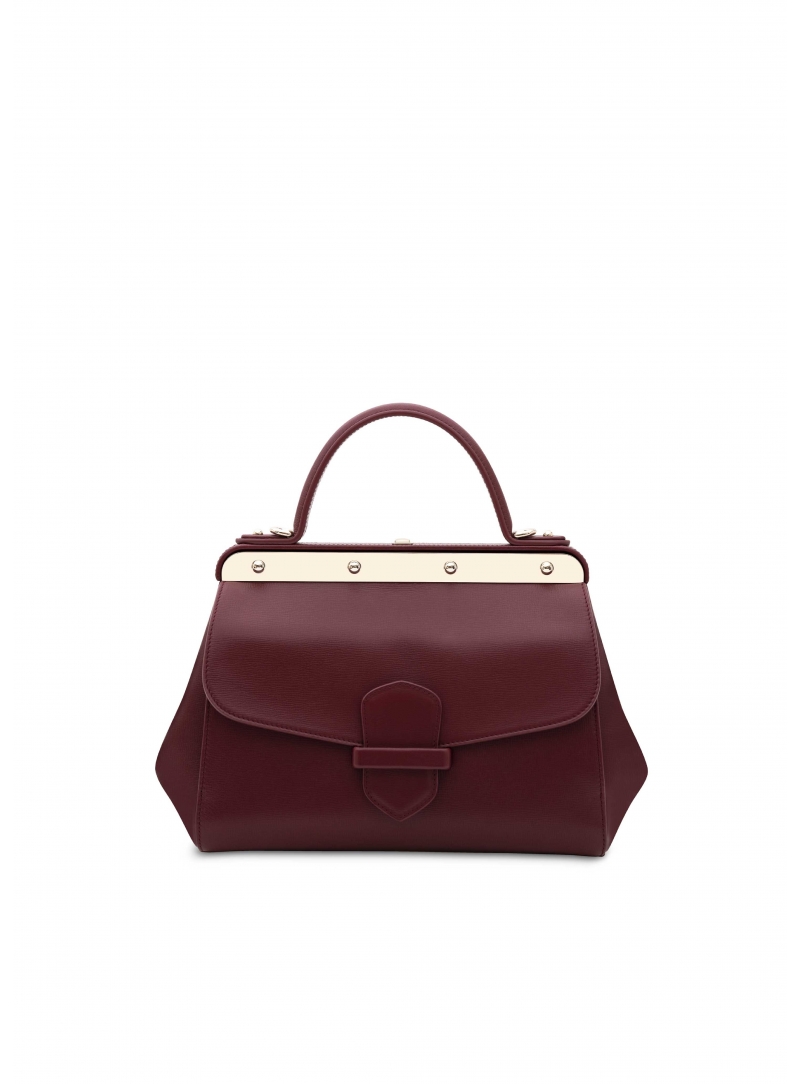
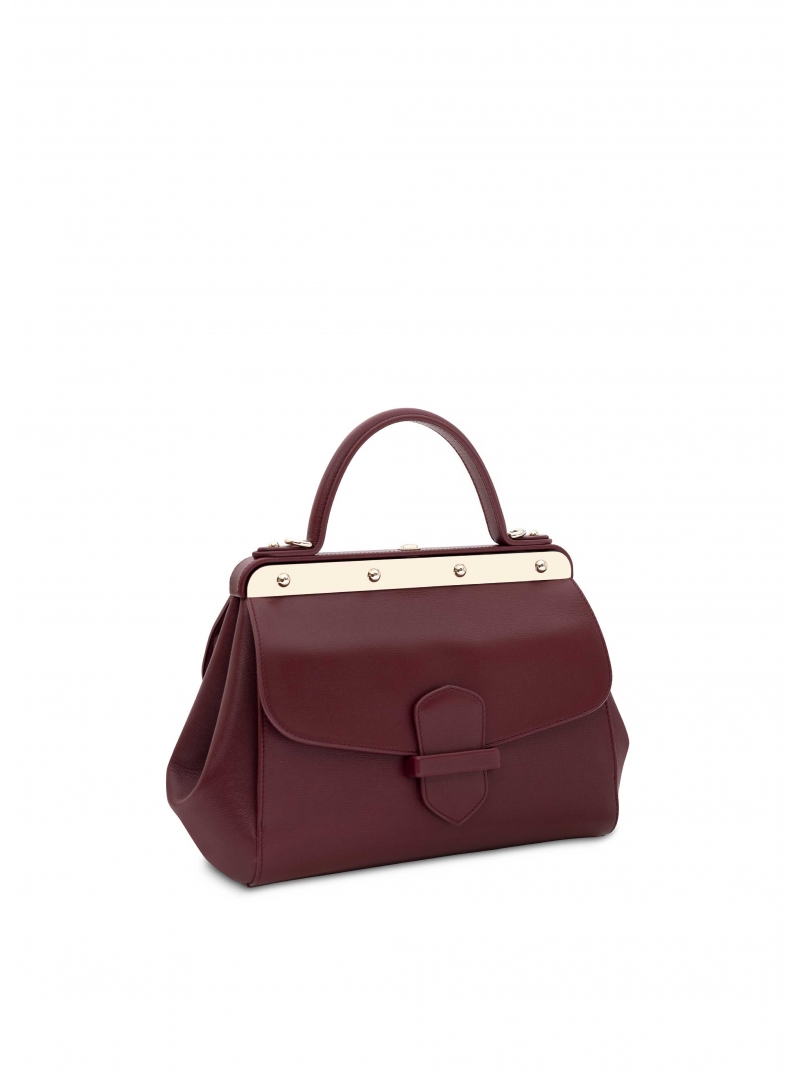
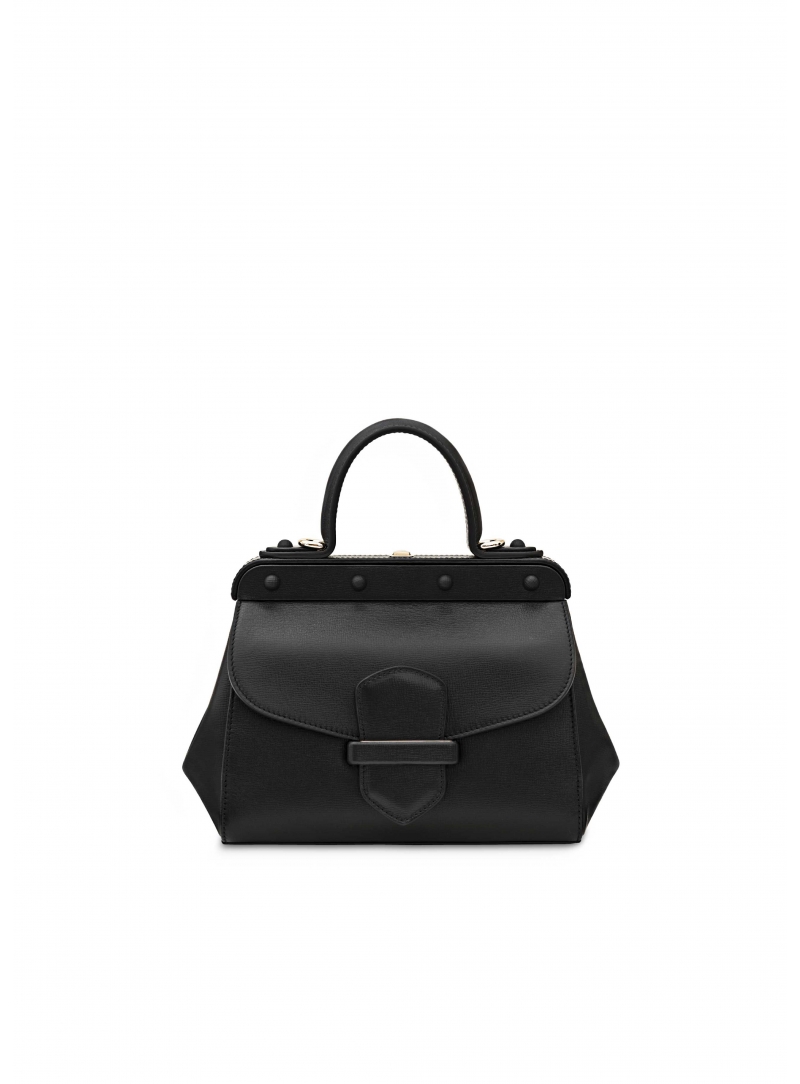
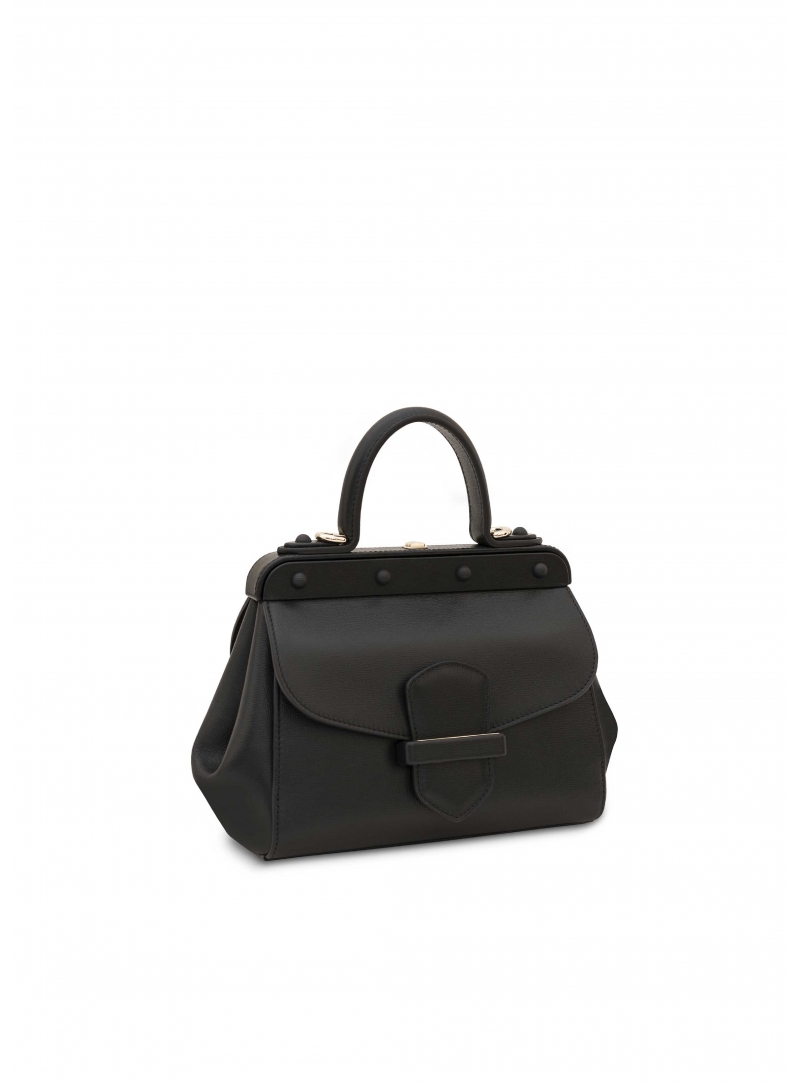
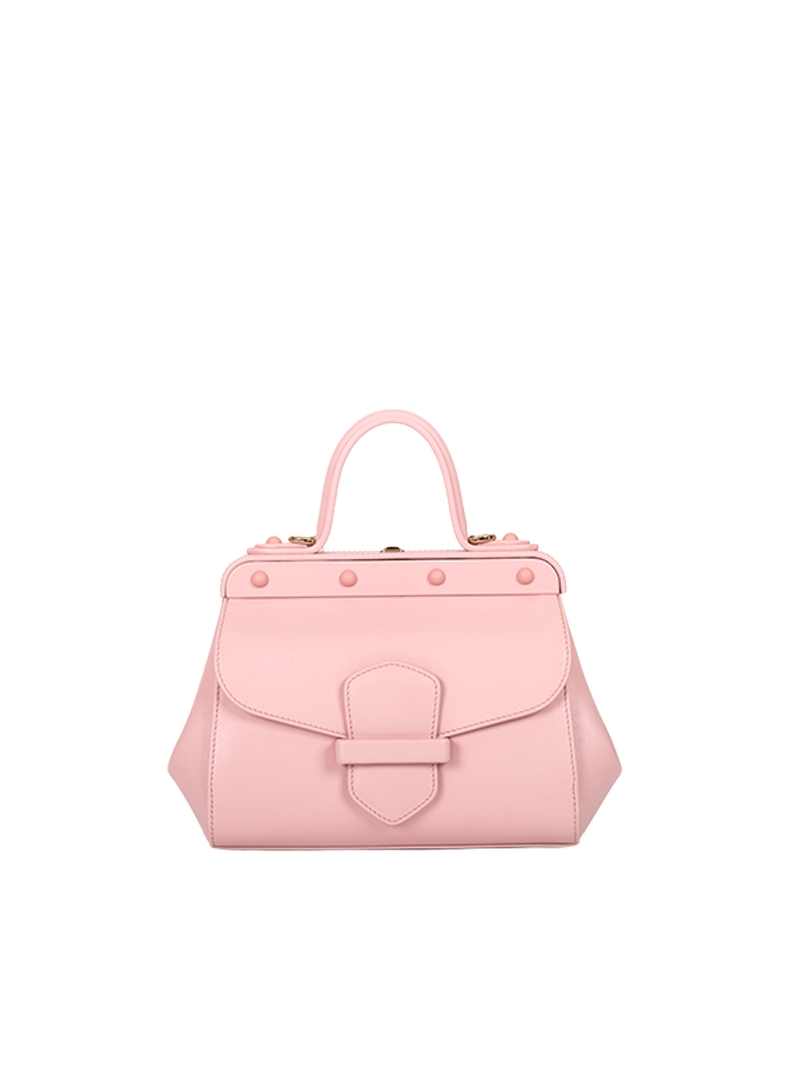
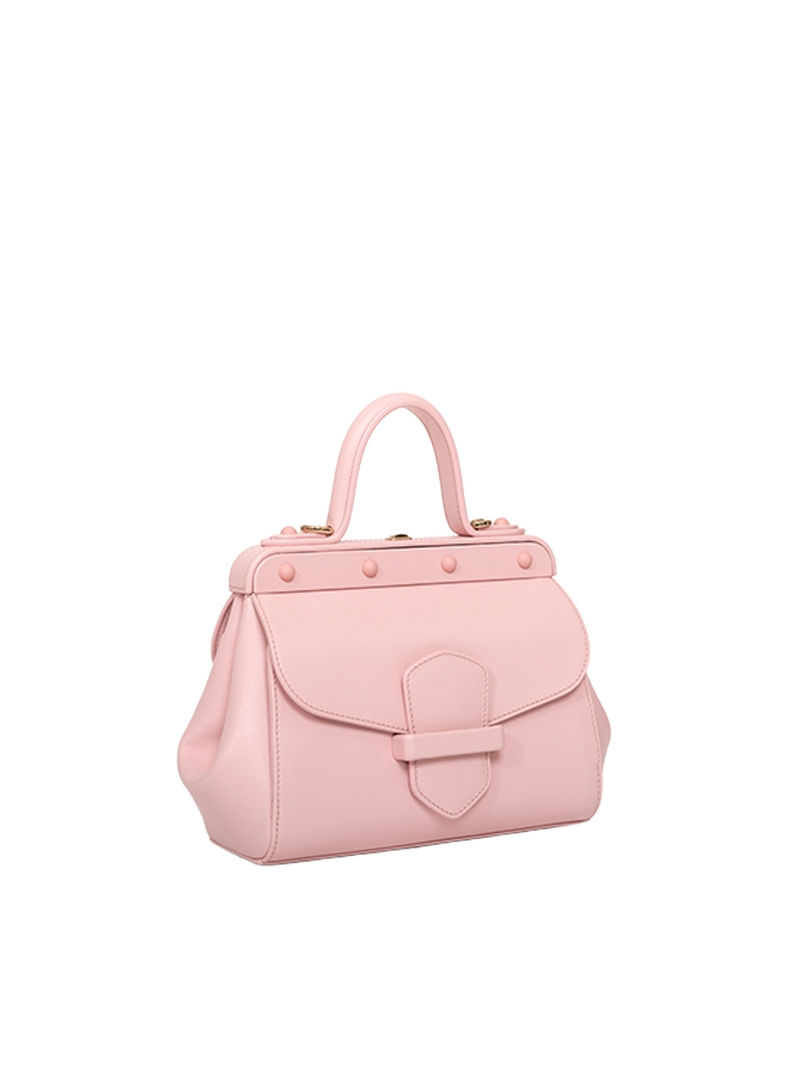
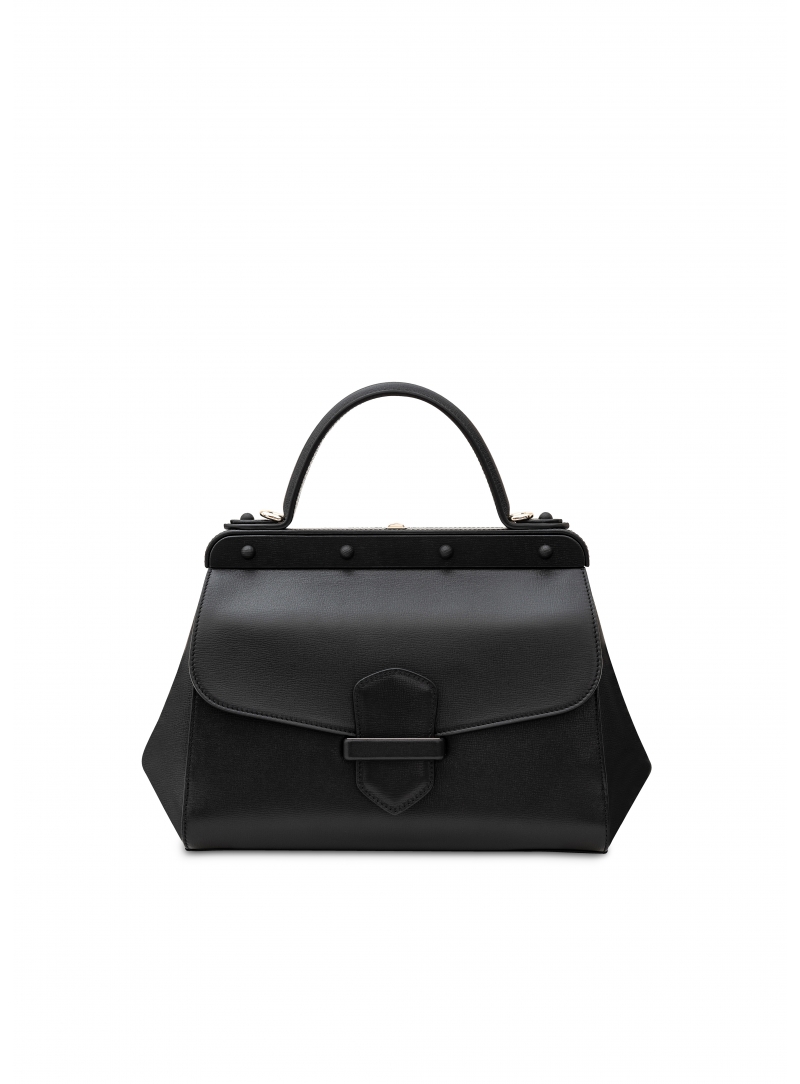
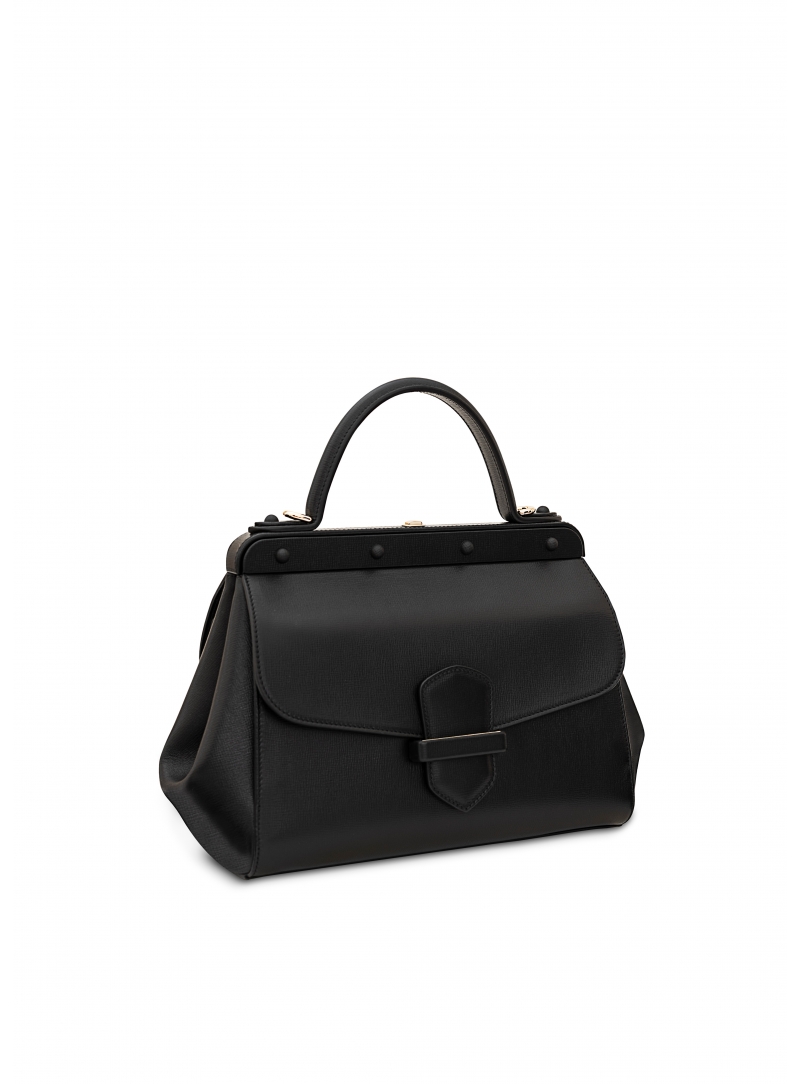
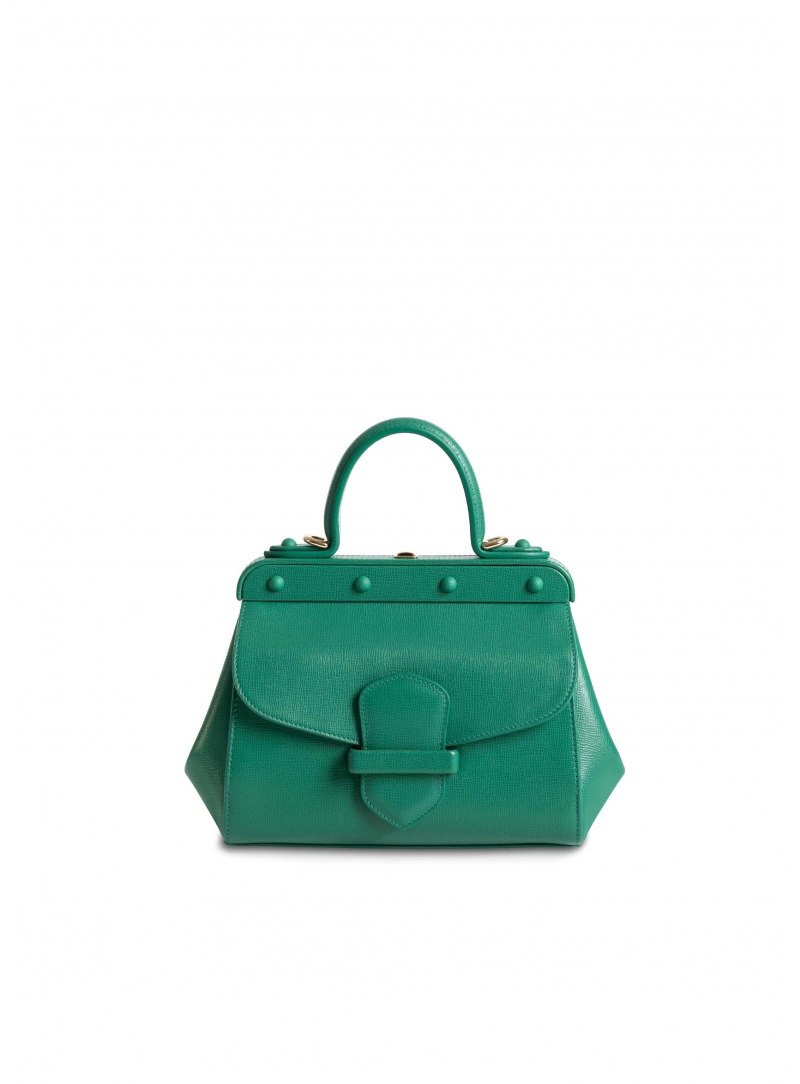
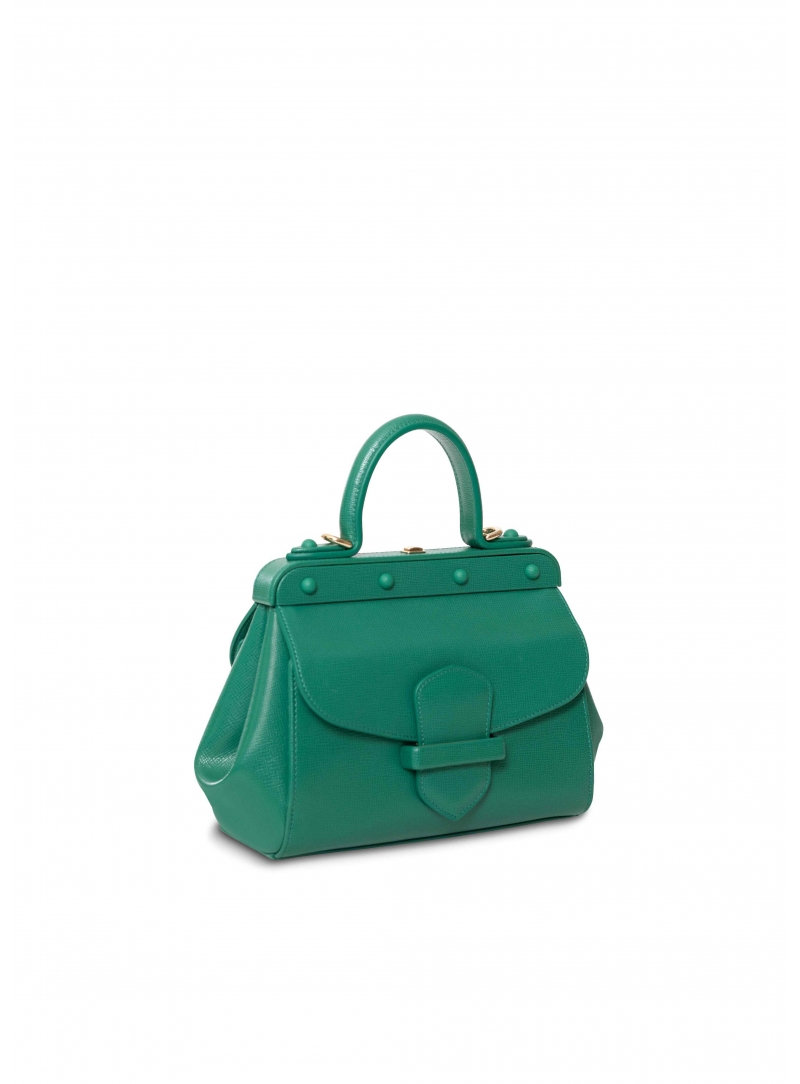
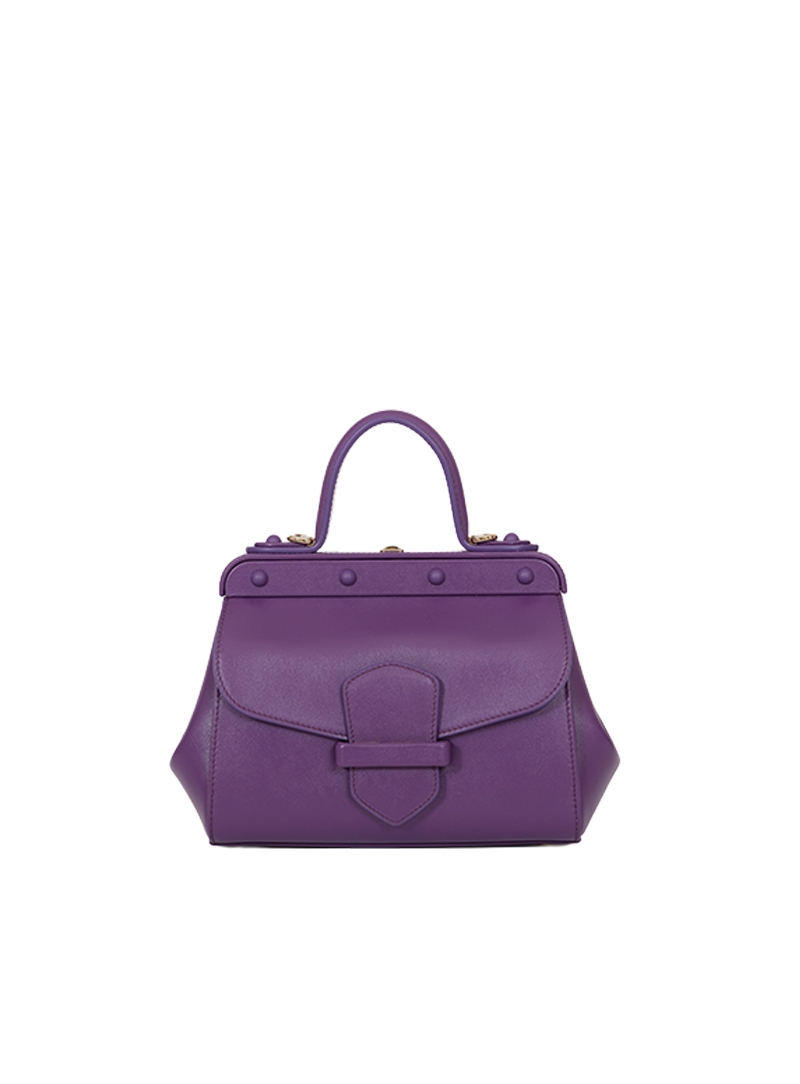
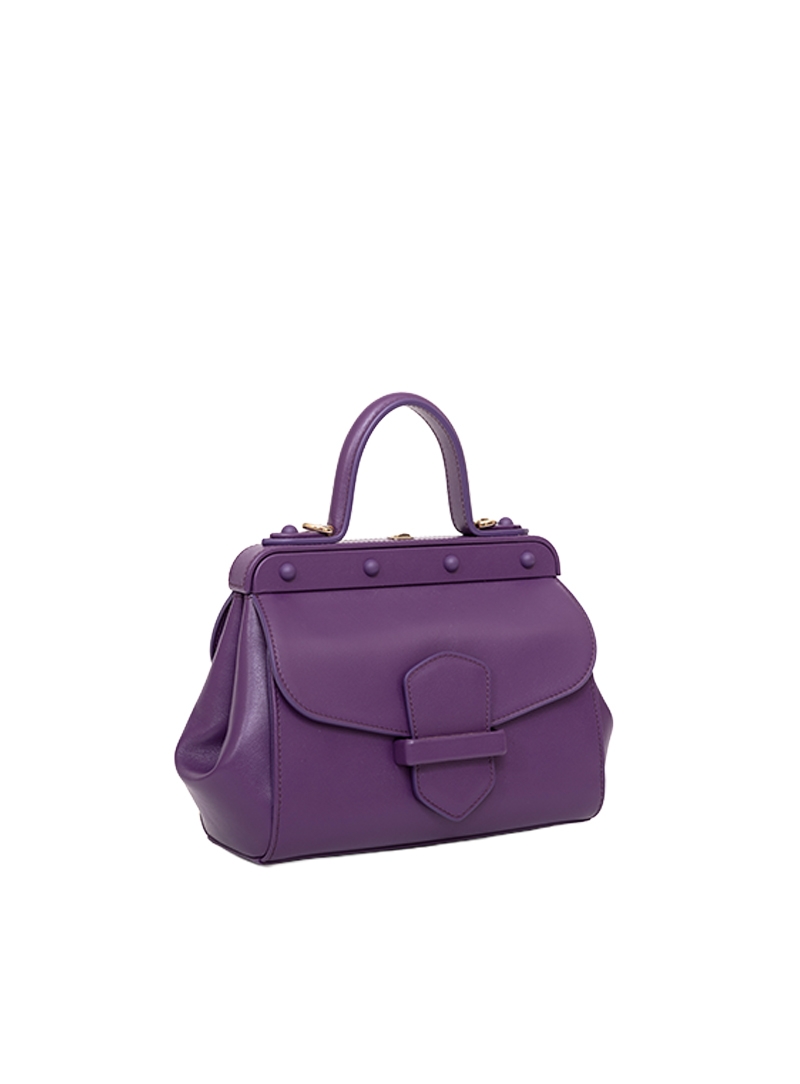
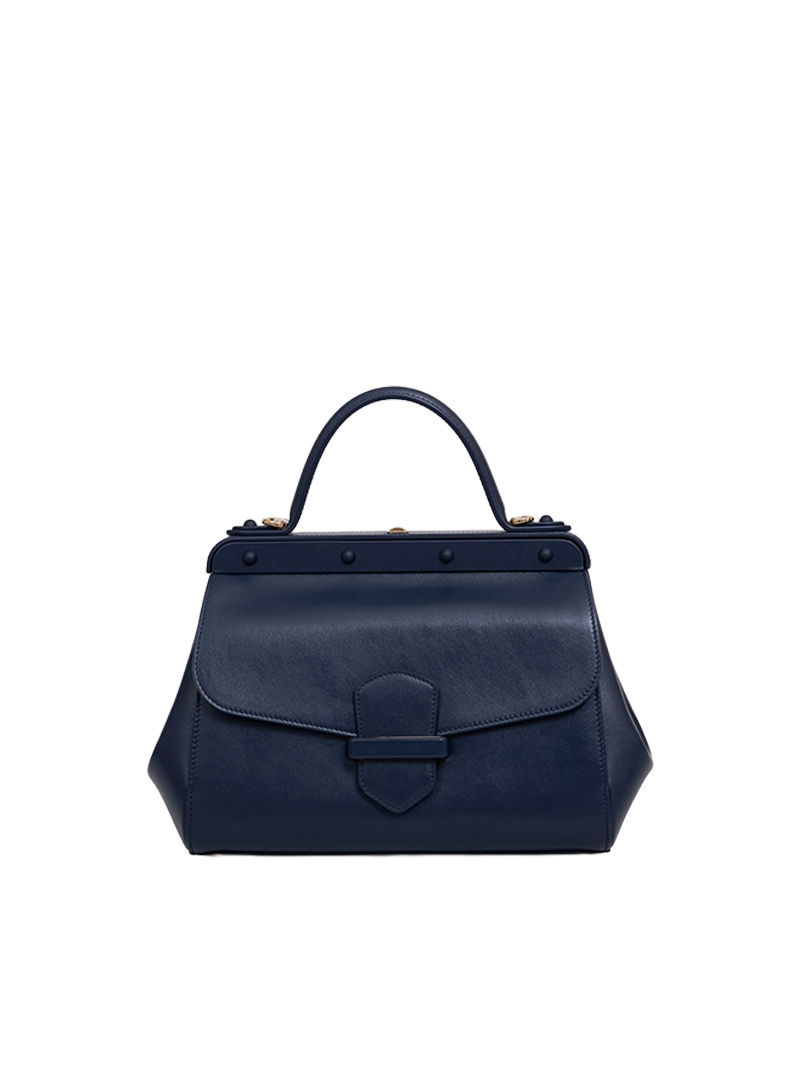
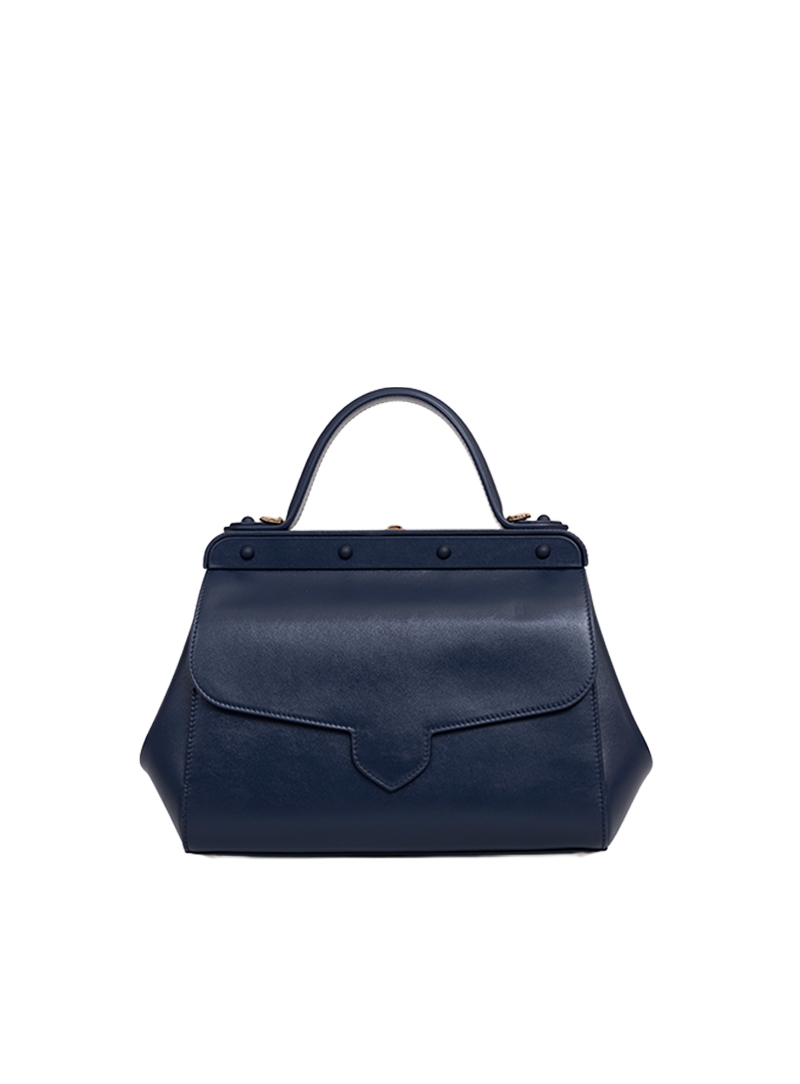
Franzi's creations stand out among competitors of the time and are highly appreciated by the Queen and her court
It is Margherita herself who appoints Franzi as the official supplier to the Royal House of Savoy in the 1870s
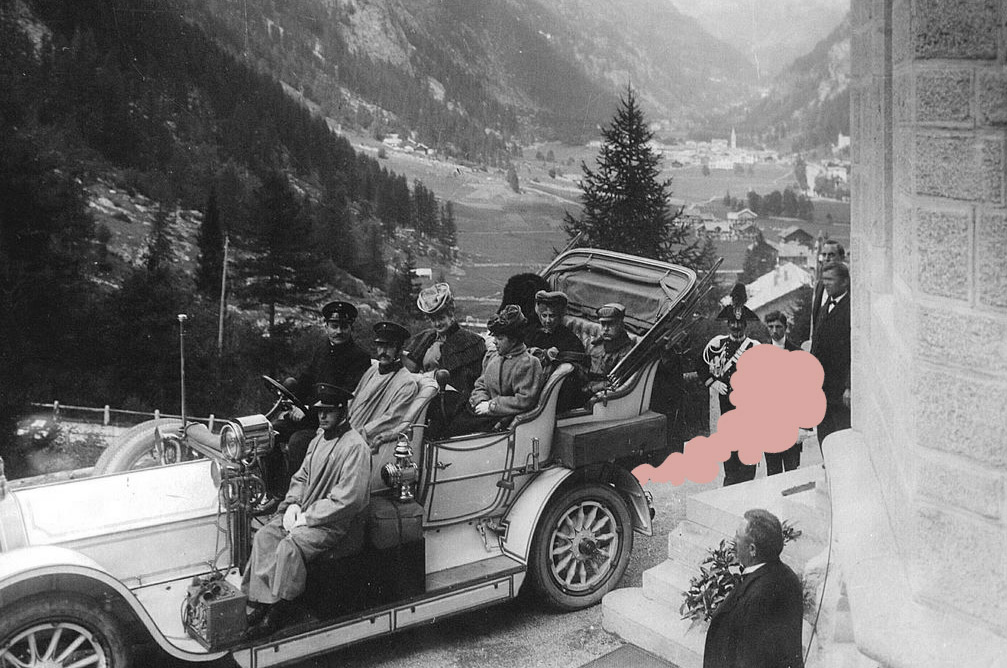
Queen Margherita of Savoy with King Umberto I at Castel Savoia in Gressoney
Sorry for the inconvenience.
Search again what you are looking for

To provide the best browsing experience, this website makes use of cookies. Some cookies are absolutely required for this website to function and cannot be rejected.
However, it is possible to refuse cookies used for functional, analysis or targeting purposes as part of the sharing functionality on social channels.