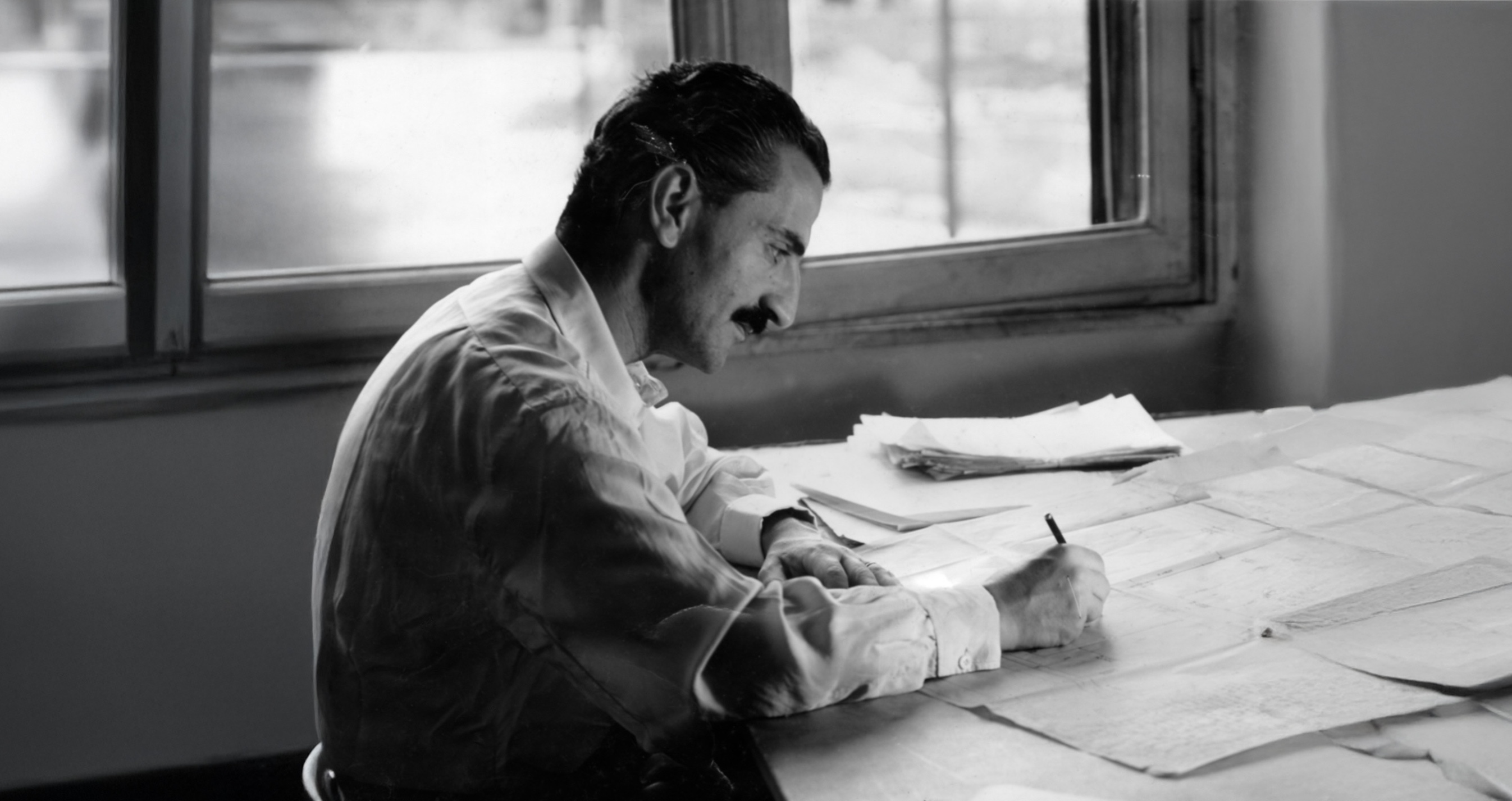
Born in Milan in 1910, Carlo De Carli was an architect and designer who played a pivotal role in shaping Italian design culture
Collaborating closely with Gio Ponti, he was responsible for the design of buildings, interiors and furniture, engaging with prominent companies such as Cassina and Tecno, and actively fostering the synergy between industry and design
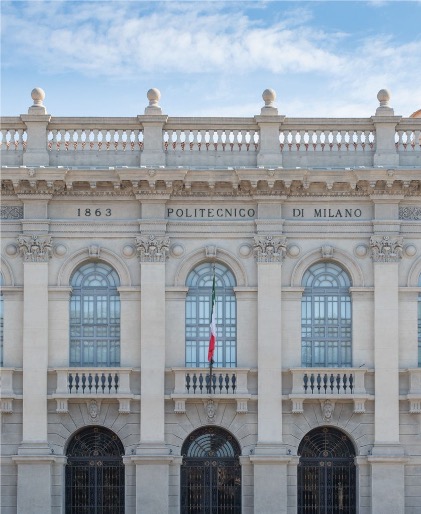
As a professor and later dean at Politecnico di Milano, he also served as editor of influential journals such as ''Il Mobile Italiano'' and ''Interni''
Politecnico of Milan's façade
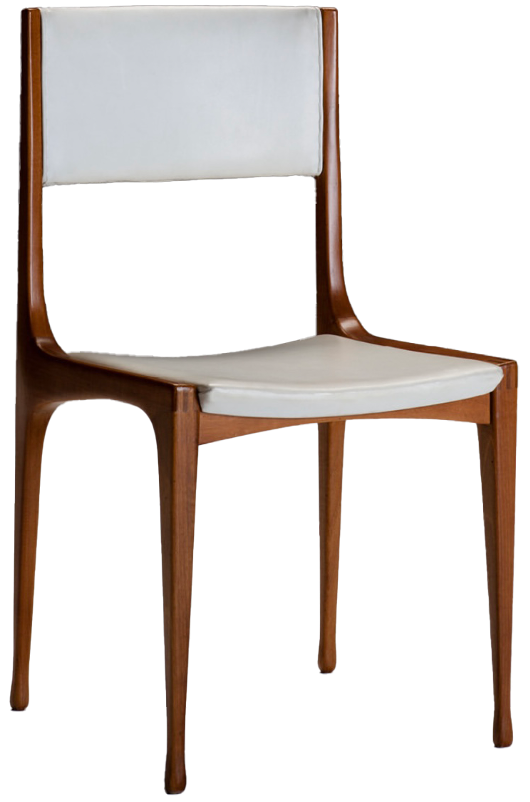
In 1954, he was awarded the inaugural Compasso d'Oro for his 683 chair, a landmark moment for both his professional trajectory and in the broader history of design
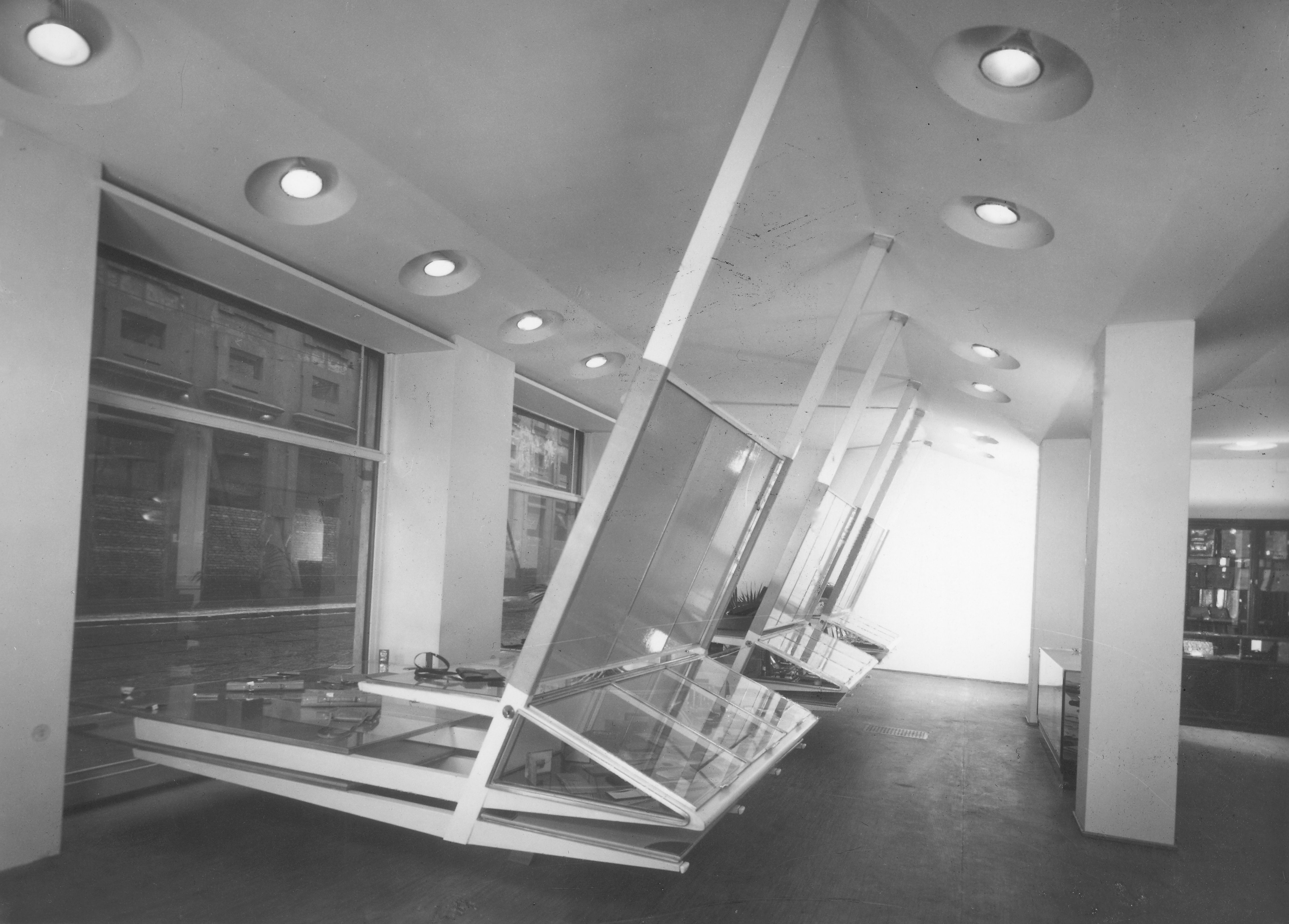
During Italy's post-war reconstruction, De Carli collaborates with Franzi to redesign the brand's Milanese boutique on Via Manzoni, conceiving a space that fuses the company's heritage with the emergent culture of Milanese design
De Carli reinterpreted the nascent theme of commercial architecture by replacing solid physical boundaries with atmospheric thresholds, mitigating the structural rigidity of load-bearing elements such as columns and beams
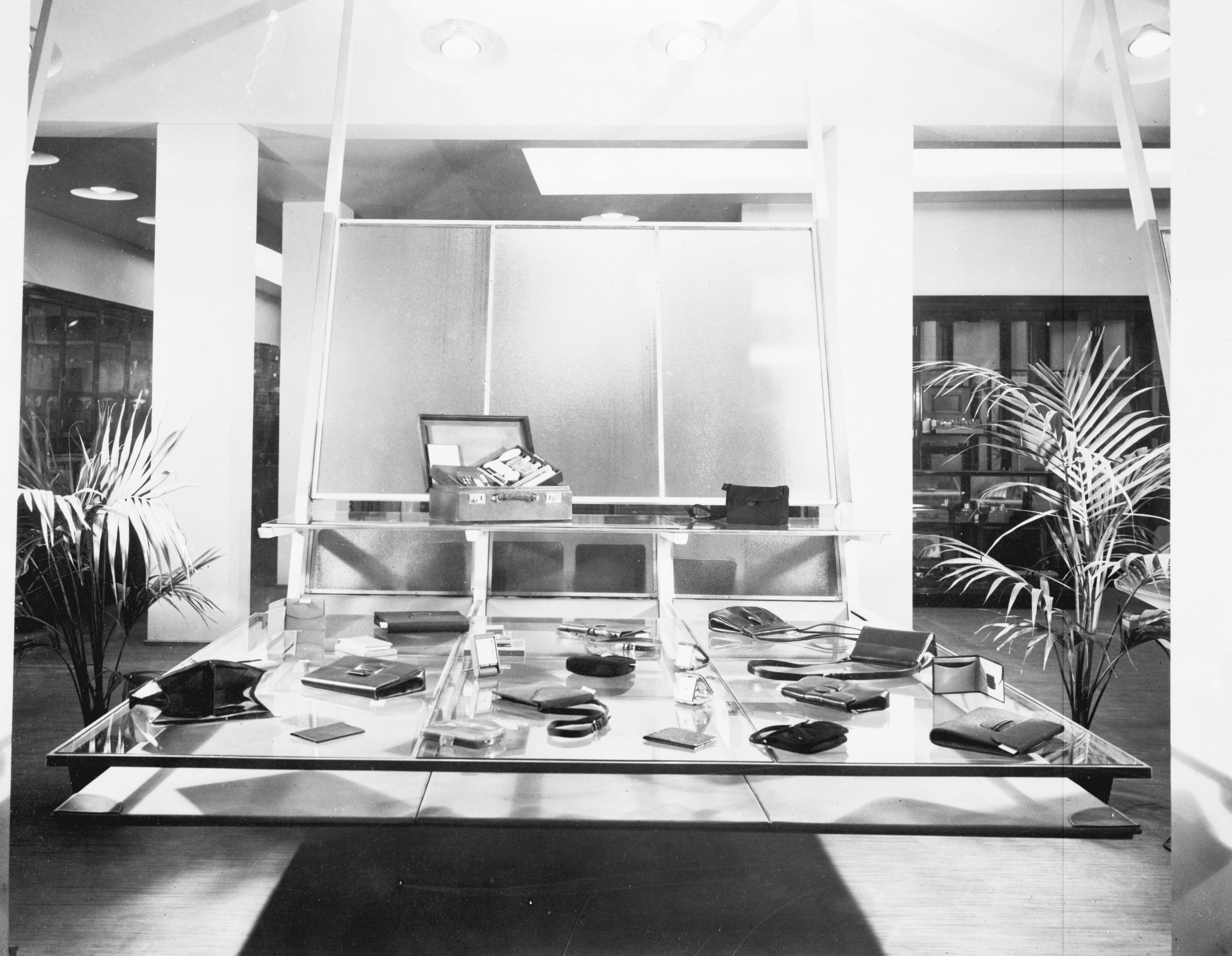
Franzi's shop in Milan, Via Manzoni
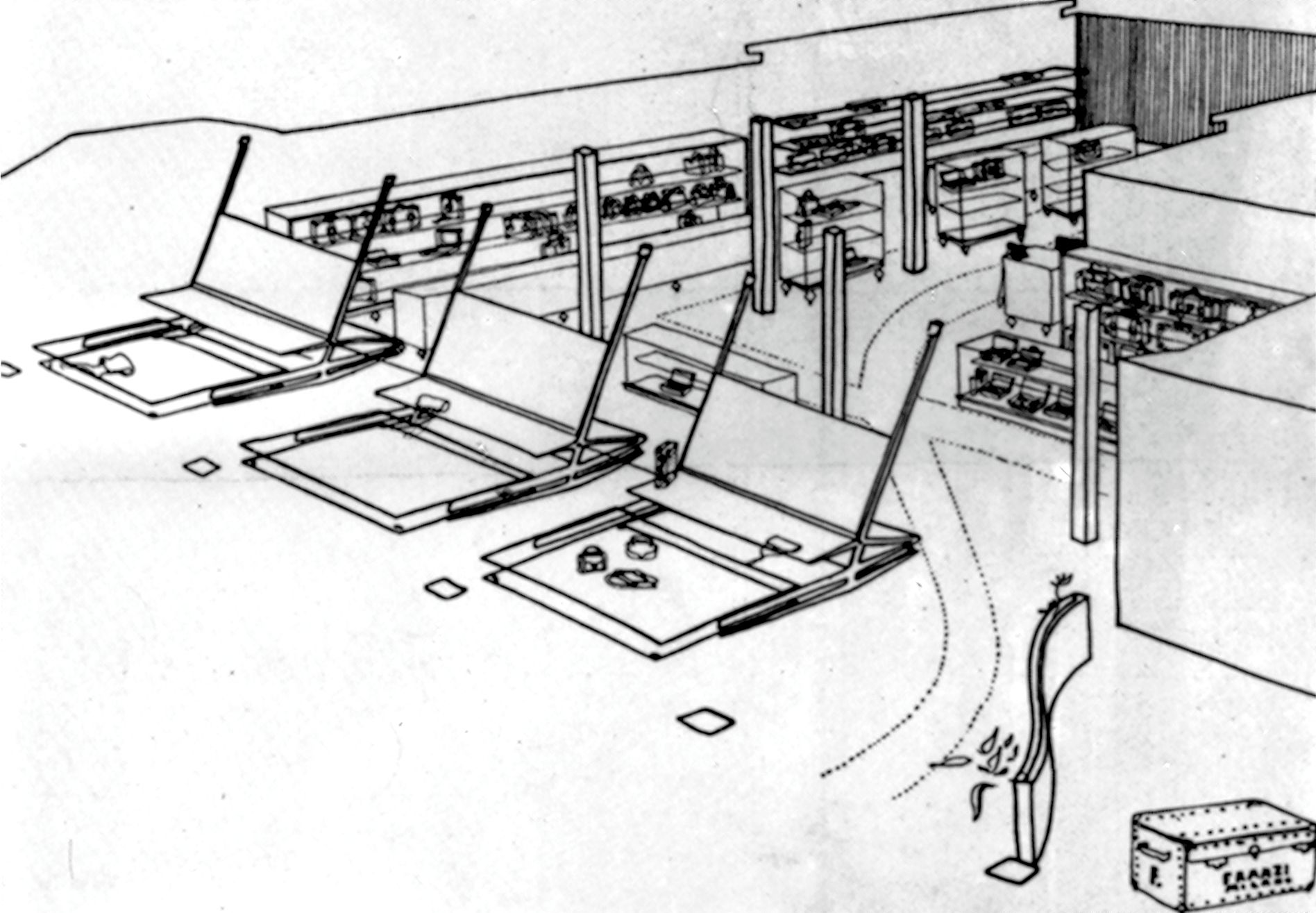
The central feature of the space was a modulare display unit in transparent glass mounted on wheels, conceived to facilitate dual exposure of products, visible both from the storefront and within the interior
The display surface, crafted from crystal and framed in alpacca, rested on a leather-clad base, a tribute to Franzi's artisanal excellence. The original furniture is integrated into the new design, enhancing and preserving the original architectural character of the space
This collaboration represented a confluence between Franzi's longstanding artisanal tradition and the avant-garde vision of one of the most influential architects and designers in the Italian context
Sorry for the inconvenience.
Search again what you are looking for

To provide the best browsing experience, this website makes use of cookies. Some cookies are absolutely required for this website to function and cannot be rejected.
However, it is possible to refuse cookies used for functional, analysis or targeting purposes as part of the sharing functionality on social channels.